Quiet streets, exceptional schools, and a community that actually knows your name!
Moraga is the kind of town people move to when they're done with the noise and ready to actually live. It sits tucked inland behind the hills, which means warmer summers than San Francisco, quieter streets than Lafayette, and a pace of life that feels intentional. Neighbors wave. Kids bike to school. The farmers market on Sunday morning is a social event as much as a grocery run.
It's not the flashiest of the three Lamorinda towns — there's no buzzy downtown strip — but that's exactly the point. Moraga trades walkable restaurants for more yard, more space, and more of a genuine small-town feel. For
families, in particular, it's hard to beat.
Moraga's schools are exceptional at every level. The Moraga School District feeds into the Acalanes Union High School District, which ranks in the top 5% of all California school districts for academics. Math proficiency across the district runs at 65% — more than double the California average.
Many families who were budgeting $30,000+ a year for private school in San Francisco find that Moraga's public schools make that unnecessary. That's a meaningful difference in what you can afford to spend on a home.
Moraga doesn't have its own BART station, which is the most important practical fact for anyone considering a move here. Most residents drive to the Lafayette or Orinda BART stations, both about 10–15 minutes away for rail service into San Francisco or Oakland. If you work remotely or commute occasionally, this is a non-issue. If you're on BART five days a week, it's worth factoring into your decision.
Highway 24 is the main artery in and out of town. Morning commute to the Caldecott Tunnel typically takes 15–25 minutes depending on traffic.
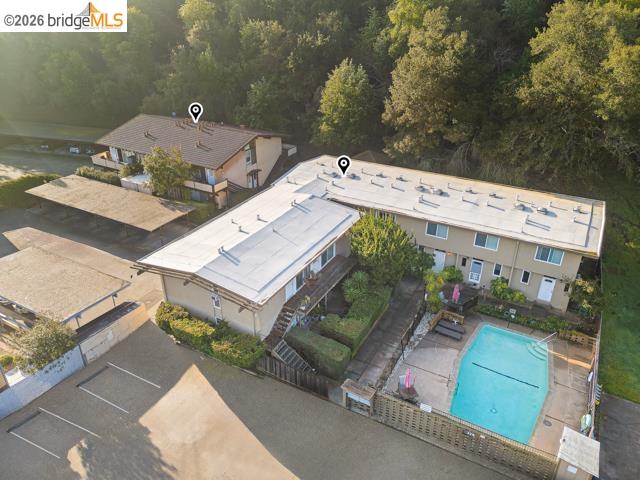
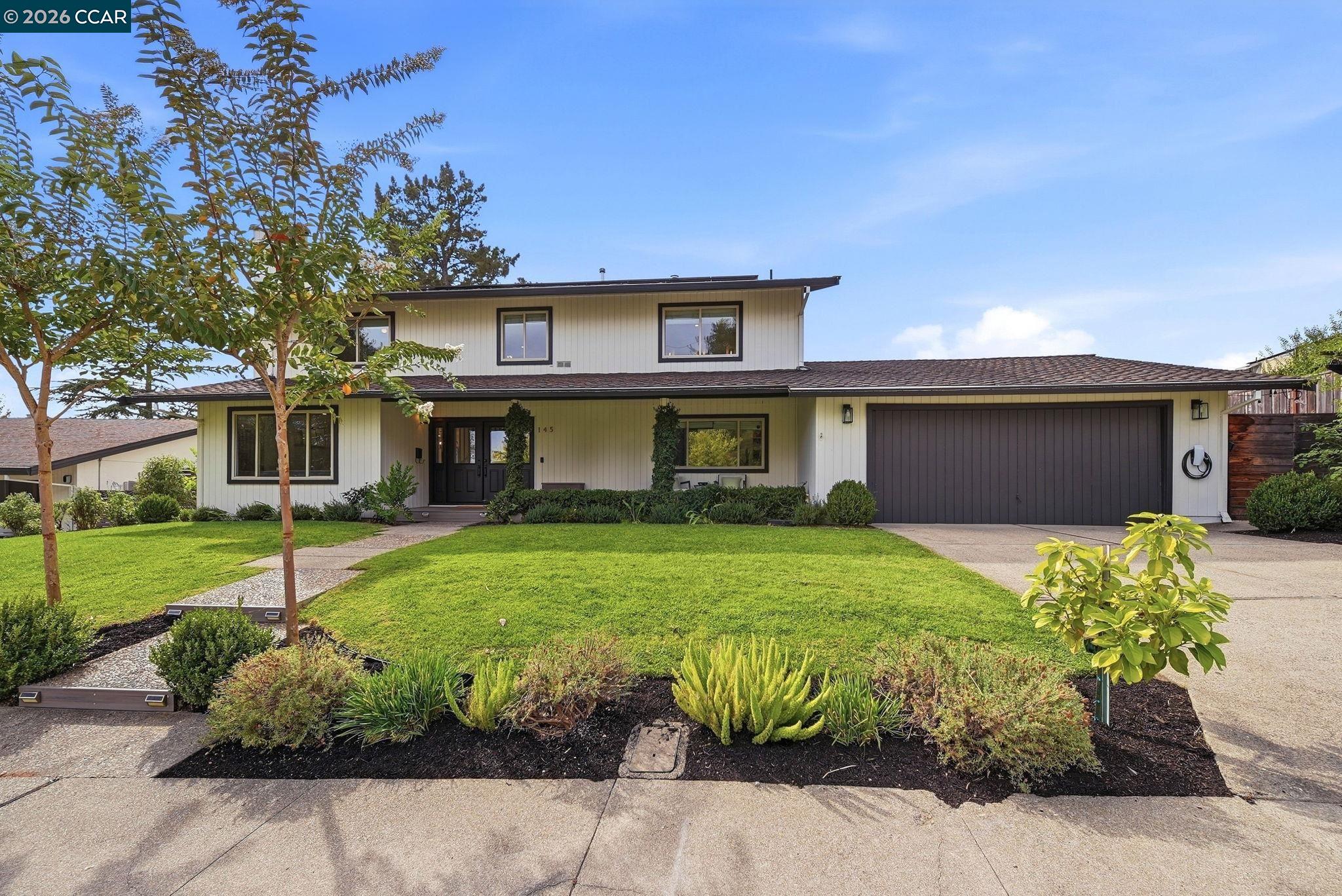
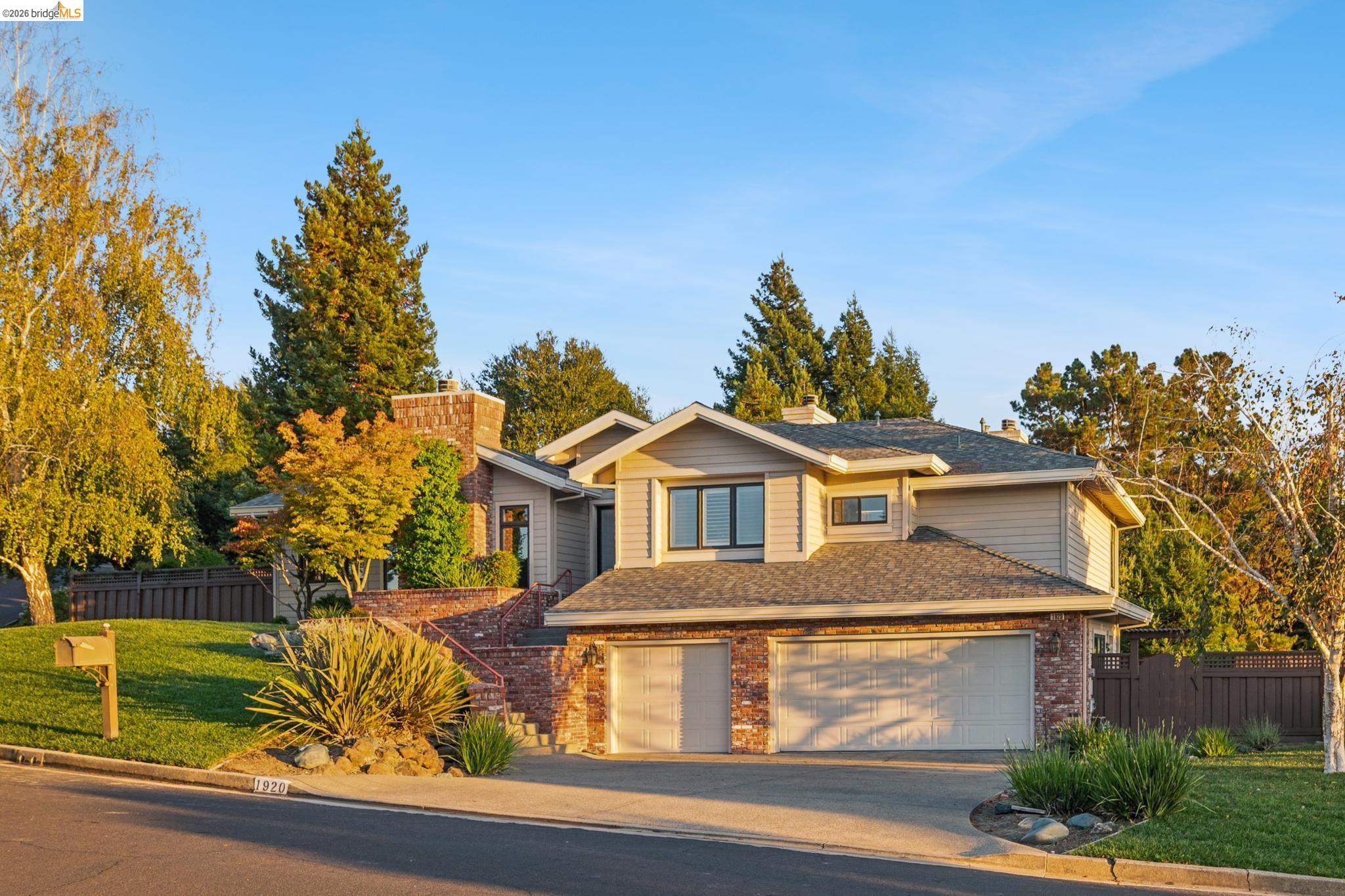
Moraga's housing stock is largely single-family homes built from the 1950s through the 1980s...think ranch-style and split-level homes on generous lots with mature trees and wide yards. You'll find more square footage per dollar here than in Lafayette or Orinda, which is a big draw for growing families. Planned neighborhoods like Rheem Valley and Moraga Country Club give the town a cohesive, well-maintained feel.
Median home prices currently sit around $2.1M, with a wide range depending on size, lot, and proximity to top-rated schools. Homes near Campolindo High School and in the Rheem area tend to move fastest and attract multiple offers.
Families with school-age children are the core of Moraga's buyer pool, often relocating from San Francisco, Oakland, or other Bay Area cities in search of more space, better public schools, and a safer, calmer environment to raise kids. Remote workers have also become a growing segment, drawn by the space and lifestyle without needing the daily BART commute. And long-time Lamorinda residents who want to stay in the area but want more yard and less noise often land in Moraga.
16,790 people live in Moraga , where the median age is 41.4 and the average individual income is $89,439. Data provided by the U.S. Census Bureau.
Total Population
Median Age
Population Density Population Density This is the number of people per square mile in a neighborhood.
Average individual Income
Moraga has 5,628 households, with an average household size of 2.69. Data provided by the U.S. Census Bureau. Here’s what the people living in Moraga do for work — and how long it takes them to get there. Data provided by the U.S. Census Bureau. 16,790 people call Moraga home. The population density is 1,775 and the largest age group is Data provided by the U.S. Census Bureau.
Total Population
Population Density Population Density This is the number of people per square mile in a neighborhood.
Median Age
Men vs Women
Population by Age Group
0-9 Years
10-17 Years
18-24 Years
25-64 Years
65-74 Years
75+ Years
Education Level
Total Households
Average Household Size
Average individual Income
Households with Children
With Children:
Without Children:
Marital Status
Blue vs White Collar Workers
Blue Collar:
White Collar:

Compass
3595 Mt Diablo Blvd #200
Lafayette, CA 94549
Devon Sherak | CA DRE# 01948496